What motivations do people have to get LASIK?

  • Glasses and Lenses removal
  • Sports and Athletics
  • Work safety
Home » Advices » Restoring reading vision with PresbyMAX
Posted in ,
Read time 1 min

Restoring reading vision with PresbyMAX

A woman with blonde hair sits at an outdoor café table, reading a newspaper with restored vision after presbyopia treatment. She wears a green cardigan, and a red bag hangs on her chair. Trees and buildings line the street behind her.

What is PresbyMAX?

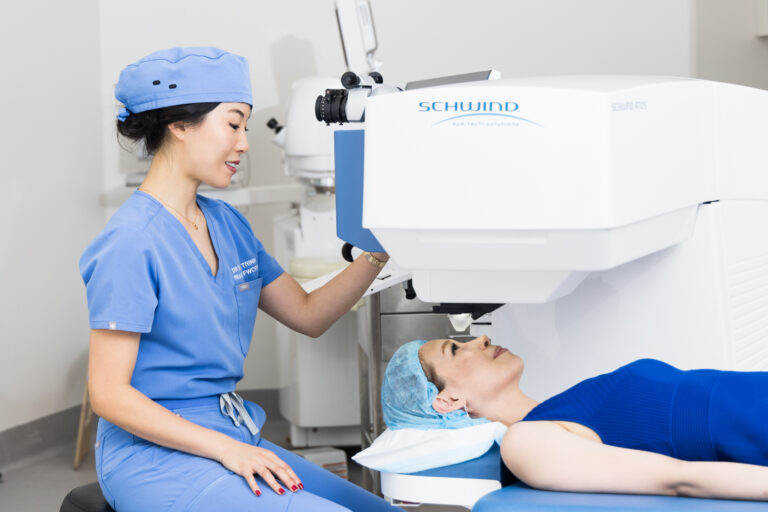
PresbyMAX® is an advanced laser vision correction technique designed to restore clear vision for both near and distance tasks, without relying on reading glasses. Using precise laser technology, the cornea is gently reshaped to improve your range of focus.Unlike traditional approaches that may correct only one part of your vision, PresbyMAX® is designed to support clear vision across different distances. The treatment is completed in just minutes and doesn’t require any removal or replacement of your eye’s natural lens. It has shown high satisfaction rates, even among individuals with advanced presbyopia.

Why PresbyMAX?

  • Minimally invasive laser treatment completed in just minutes.
  • Rapid restoration of near vision.
  • High-quality vision at all visual distances.
  • May also correct short-sightedness, long-sightedness or astigmatism.

Suitability Criteria

PresbyMAX may be suitable if you are over 40 and noticing difficulty with near tasks like reading or using your phone. A thorough assessment will determine your individual suitability.

Recovery

After treatment, most people experience noticeable improvement in vision within the first day. Some may take a bit longer to fully adapt. You’ll need to rest at home for a few hours post-procedure. To support healing, avoid eye makeup for two weeks and refrain from swimming or strenuous activities during this time.
More Like this

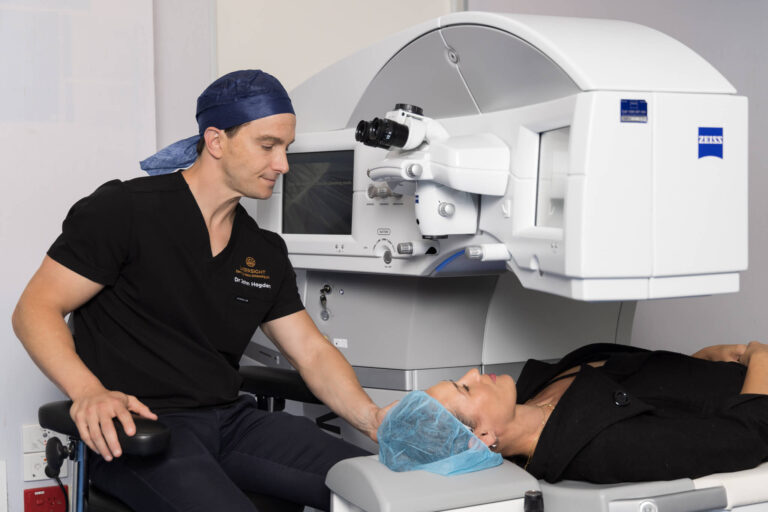
Dr. John Hogden with patient

LASIK, PRK, and LALEX (SMILE) – What’s the Difference?

Considering laser vision correction but unsure which procedure is right for you? At LASERSIGHT, we offer three advanced techniques: LASIK, PRK, and LALEX (also known as SMILE). Each option is designed to reduce dependence on glasses and contact lenses, offering long-term visual freedom. Here’s how they compare: LASIK – The Most Well-Known Laser Vision Correction […]

LASERSIGHT Equipment

Can Laser Eye Surgery Correct Astigmatism?

If you have astigmatism, you may have heard that laser eye surgery can’t fix it—but that’s a common misconception. The reality is that LASIK, PRK, and LALEX (SMILE & ATOS) can all effectively treat astigmatism, helping you achieve clearer, sharper vision. What is Astigmatism? Astigmatism is a common vision condition where the cornea (the clear […]

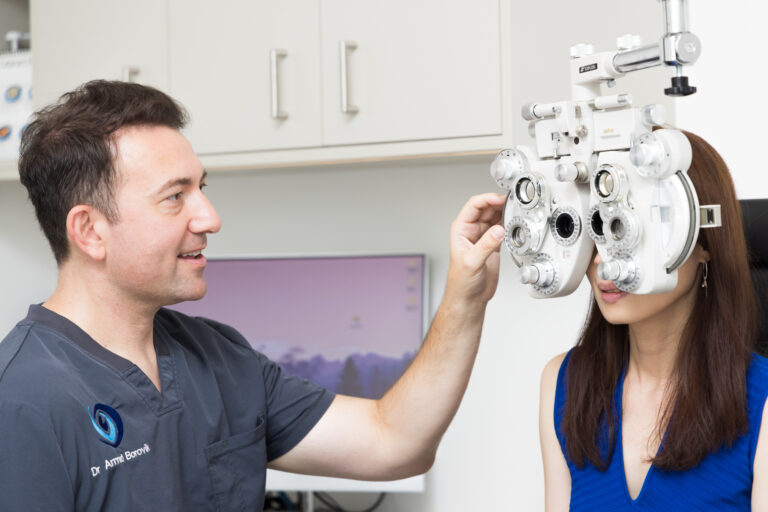
Dr Armand Borovik with patient

Five Key Decisions Before Cataract Surgery

Cataract surgery is one of the most commonly performed procedures worldwide, helping millions of people restore their vision each year. While the procedure is highly effective and routine, making informed decisions before surgery ensures the best possible outcome for your eyes and lifestyle. Here are the five key decisions to consider before undergoing cataract surgery. […]

Dr Tanya Trinh during procedure

Is Laser Eye Surgery Right for You?

Laser eye surgery has helped thousands of people experience greater freedom in their daily lives, eliminating the need for glasses and contact lenses. If you’re considering whether laser vision correction is the right choice for you, here are five key reasons to take the next step. 1. Freedom for an Active Lifestyle If you lead […]

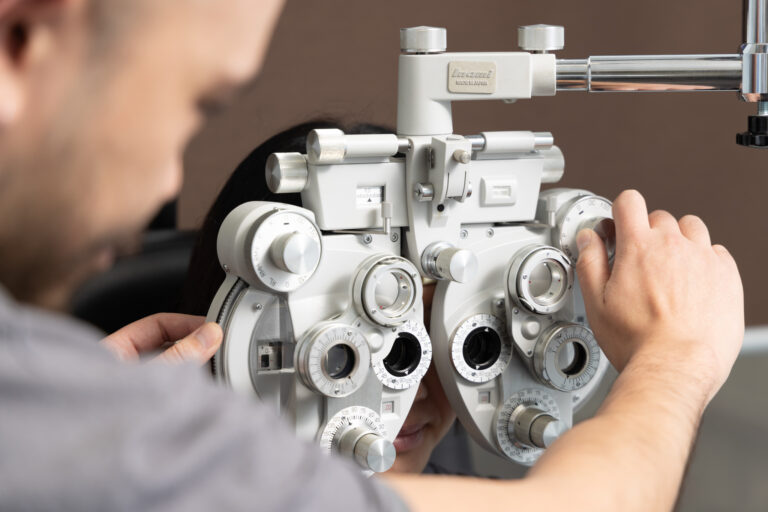
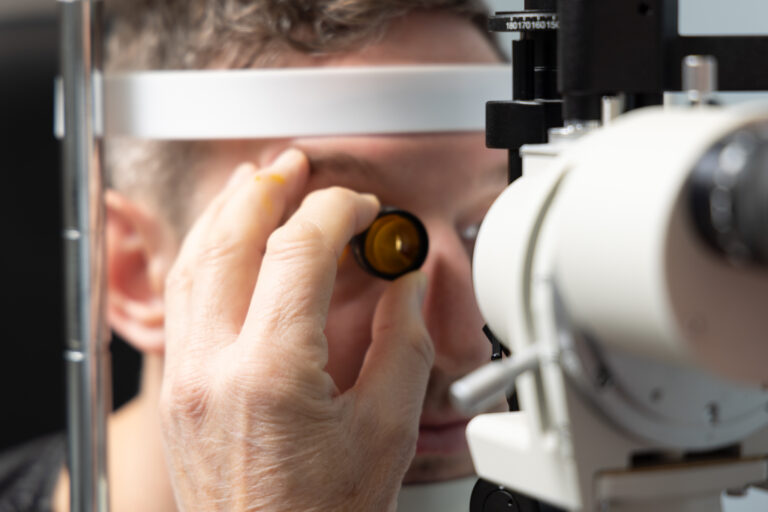
Patient eye examination

Understanding the Difference Between Laser Eye Surgery and ICL Surgery

Advancements in vision correction have provided more people with the opportunity to reduce or eliminate their dependence on glasses and contact lenses. With so many options available, it can be overwhelming to determine which procedure is best suited to your vision needs. This article explores laser vision correction procedures—including LASIK, PRK, and LALEX/SMILE—alongside Implantable Collamer […]